The Historic
Holy Deserts
of the Discalced Carmelites
Built for silence and solitude, the Holy Deserts were established in the late 16th and 17th centuries by the friars of the Teresian Reform.
Rooted in the ancient eremitical tradition of Mount Carmel, these secluded houses of prayer spread from Spain to Italy, France, Mexico, and beyond. Each took shape according to its particular landscape while preserving the same essential character of austerity, recollection, prayer, and solitude.
Many of the original Deserts disappeared amid the secularization and political upheavals of the 19th century. Those presented here are among the few that have survived.
Desert of Montevirginio
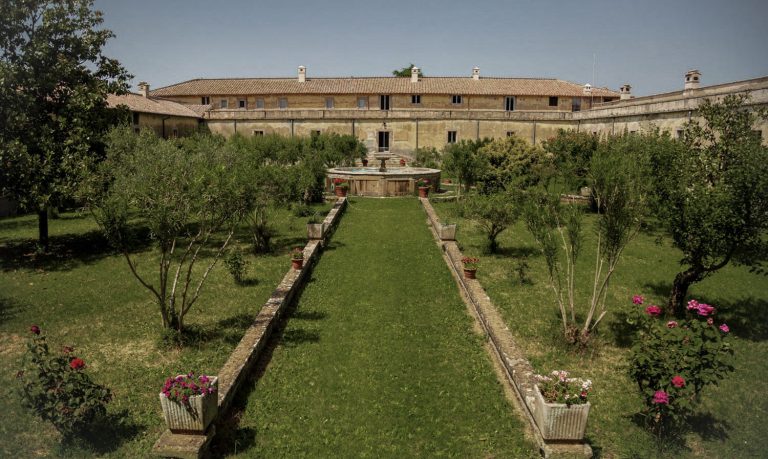
Montevirginio is a beautiful and well-preserved example of an Italian Desert, one of only four on the Italian peninsula. Established in the middle of the 17th Century, the monastery and enclosed property continued the eremitical practice until government suppression in 1870. Eventually, the property was bought back by the Discalced Carmelites, becoming a novitiate, similar to the Desert of Varazze, also in Italy.
Read More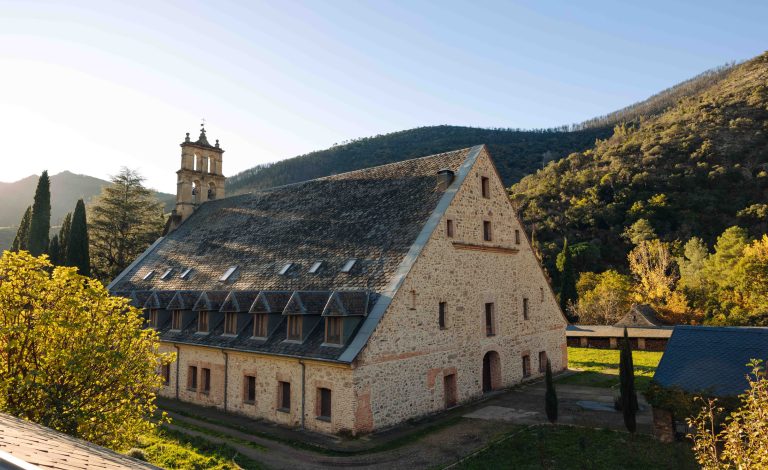
Desert of Las Batuecas
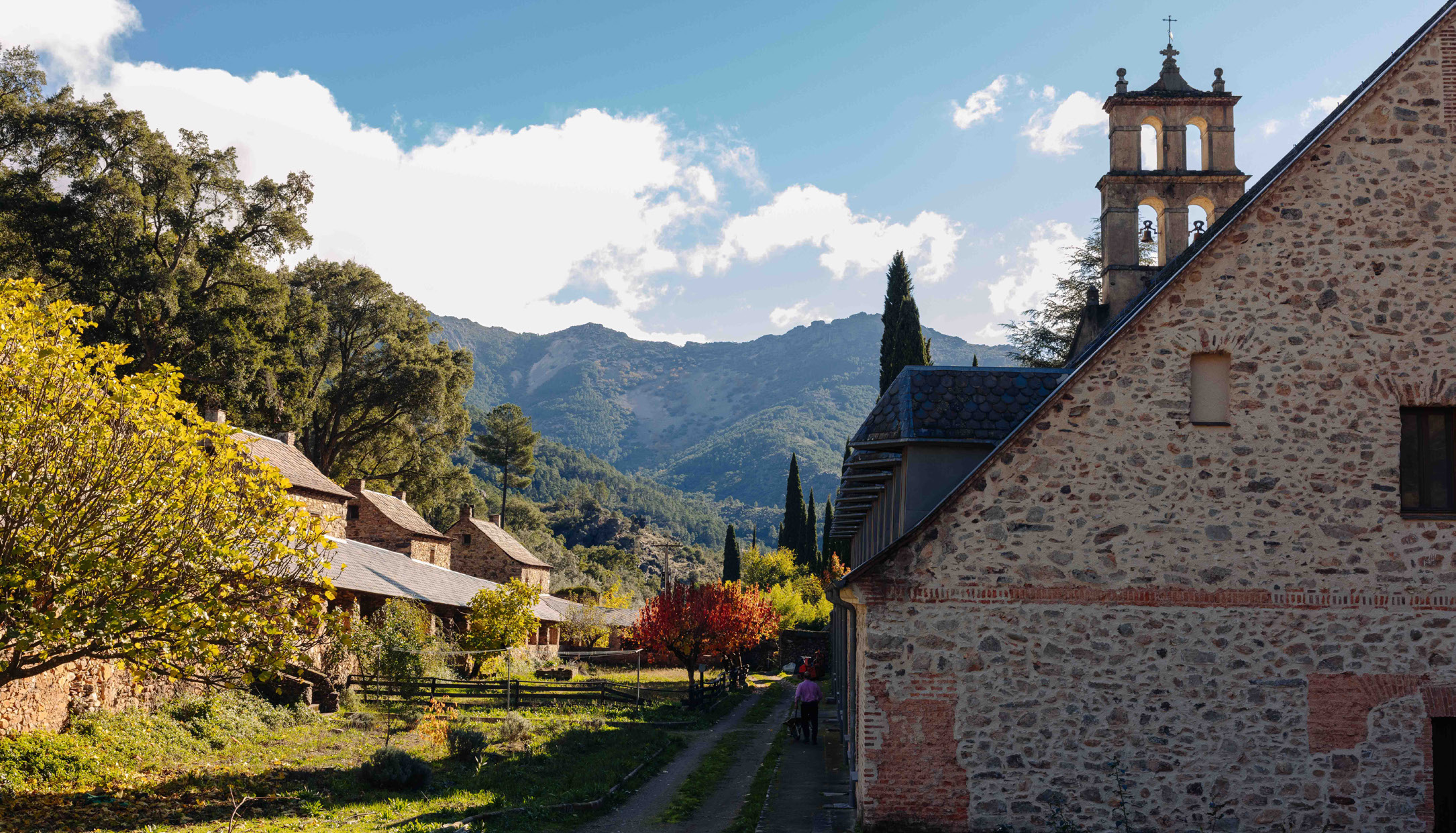
Las Batuecas, nestled in a cleft of the rock valleys southwest of Salamanca, is a bastion of peace at the edges of human habitation. Kept cool by the Batuecas river and the shadows cast by the steep profile of the surrounding mountains, the monastery at Las Batuecas was a haven for those seeking the peace which the world cannot give.
Read More
Desert of Las Palmas
The Desert of St. Teresa of Las Palmas, near Benicassim on the outskirts of Valencia, is without a doubt the largest of the post-Teresian Deserts. It was also much later than many of the Deserts, as construction began in 1697, almost one hundred years after Las Batuecas, and thus over four hundred years after the Carmelites originally settled in Europe at Les Aygalades (France), and Aylesford (England).
Read More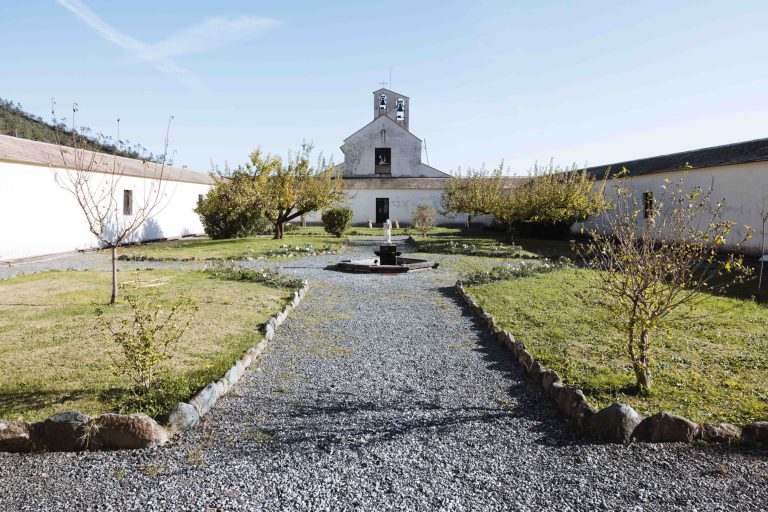
Desert of Varazze
The Desert of St. John the Baptist of Varazze, of all the Deserts, most purely represents an ascetic purity, inasmuch as it is constructed with strict aesthetic minimalism. Almost completely unarticulated white walls, shake style terra cotta tiles, and punched opening windows and doors, provide a clean canvas which reflects the open sky of the northern Mediterranean with crystal clarity.
Read More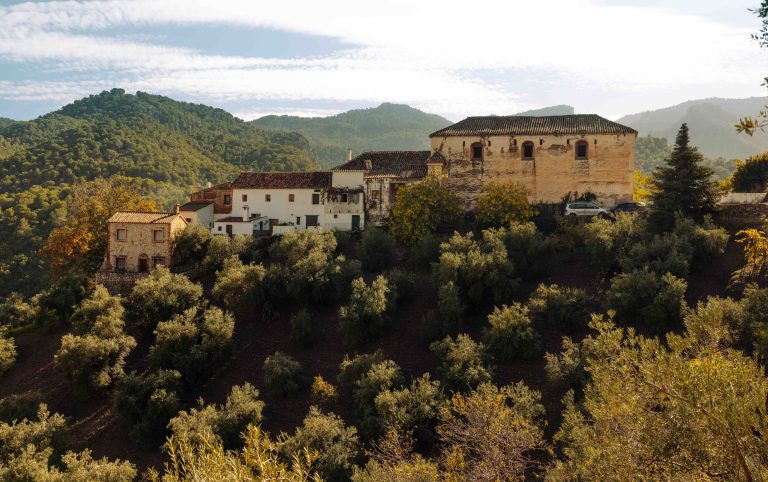
Desert of Las Nieves
The Desert of Our Lady of the Snows (Las Nieves), like so many of the Holy Deserts, has not been occupied by Carmelites since the revolutions and secularism that swept Europe in the early 19th Century, and was confiscated and sold to private owners by 1835. Much of the suitable area within the Desert walls was turned into olive orchards, and an olive press was built in the former Chapel, while the rest of the monastery was over time divided up into numerous residences, which today number over 30.
Read More
Photographed and Documented by
The Discalced Hermits of Our Lady of Mount Carmel
A Roman Catholic religious community.