

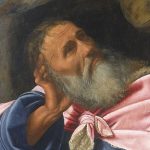
St. Elias is called by God into the solitude of the torrent Charith, east of the Jordan. There, in silence, penance, and contemplation, he becomes the great prophetic model of the solitary life and the spiritual father of the Carmelite tradition.

St. John the Baptist, in the spirit and power of Elias, lives a solitary and penitential life in the desert beyond the Jordan. His hidden life prepares the way for the coming of the Redeemer.
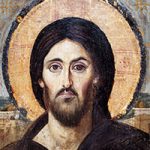
Jesus Christ, the Eternal Word made flesh, lives for many years in the silence of Nazareth, hidden in prayer, labor, and obedience with the Blessed Virgin Mary and St. Joseph. After His baptism, He is led by the Spirit into the desert, where He fasts for forty days and triumphs over the temptations of the devil.

During the Decian persecution, St. Paul flees into the Egyptian desert and embraces the solitary life for more than ninety years. Shortly before his death, he is visited by St. Anthony, who venerates him as the first hermit.
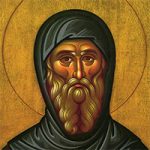
St. Anthony, moved by the Gospel counsel to sell all and follow Christ, gives away his possessions and withdraws into the desert. His life, written by St. Athanasius, inspires countless Christians to embrace the monastic life.

The monastic life spreads throughout Egypt, Syria, and Palestine. Around great fathers such as Macarius, Pachomius, Chariton, and Hilarion, the deserts are filled with hermits, monasteries, and small communities dedicated to prayer, penance, and divine contemplation.

During the Crusades, Latin hermits settle on Mount Carmel near the spring of Elias. There they embrace a common eremitical observance, living in solitude, penance, and contemplation in imitation of St. Elias and the ancient Desert Fathers.
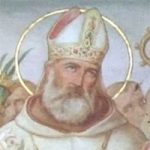
St. Albert, Patriarch of Jerusalem, writes the Carmelite Rule for the hermits of Mount Carmel. This Rule codifies their semi-eremitical and contemplative way of life and becomes the foundation of the Carmelite Order.
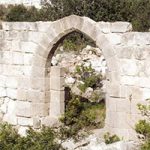
As wars and instability increase in the Holy Land, many of the hermits of Mount Carmel begin to migrate westward, establishing houses in Cyprus, Sicily, England, and eventually mainland Europe. Though some Carmelite presence remains in the East, the Order begins its transition into Europe.
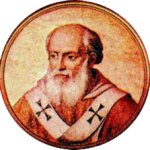
Pope Innocent IV adapts the Carmelite Rule to the Order’s new circumstances in Europe. The Carmelites are permitted to live in towns and cities, and over time the formerly eremitical Order takes on a more cenobitical and mendicant form of life.